Can You Ship Alcohol and How? US Guide to Alcohol Shipping

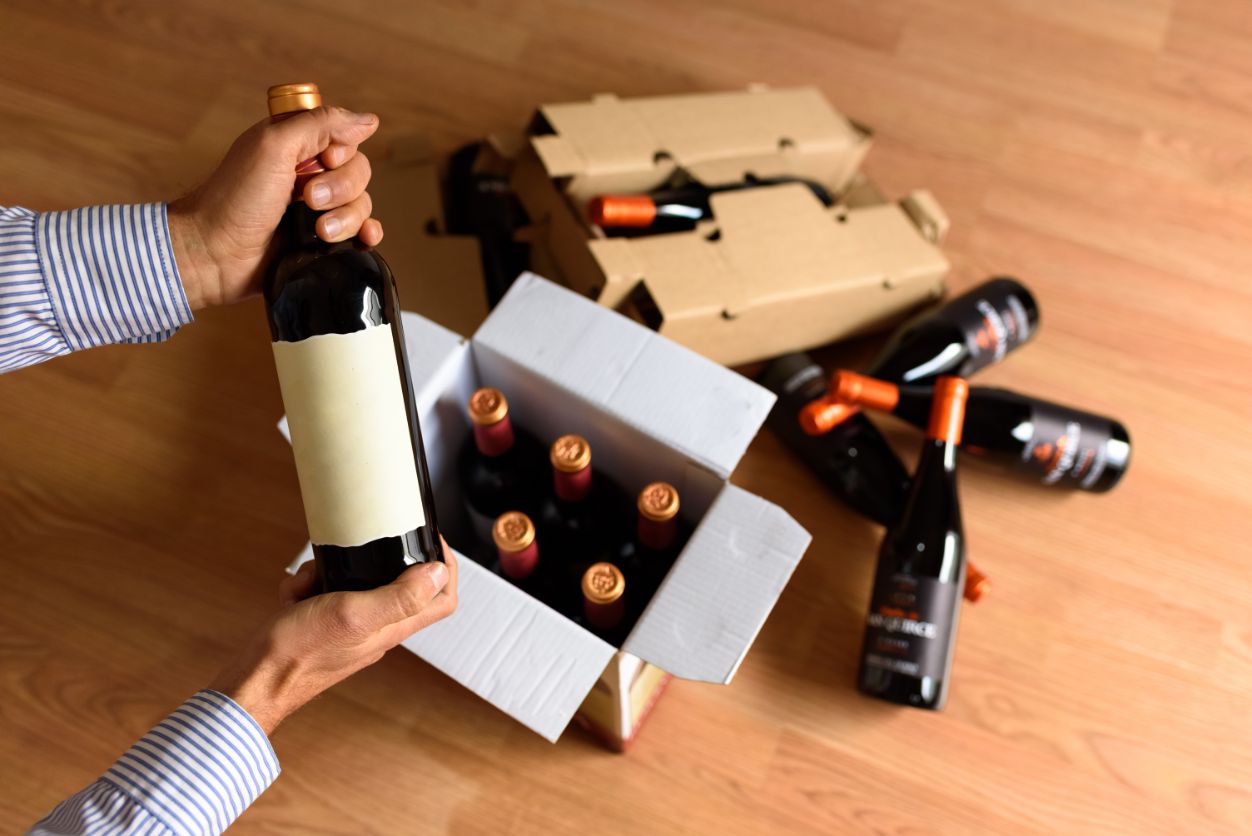
The question, "Can you ship alcohol?" is a complex one, fraught with intricate regulations that vary significantly across the United States. Whether you're a small craft brewery or an alcohol eCommerce business looking to expand your reach, an individual sending a special bottle to a friend, manufacturer, or distributor, understanding the legalities of shipping alcohol is paramount.
This comprehensive guide will break down the maze of federal and state laws, carrier policies, and best practices to help you navigate the process legally and efficiently.
Understanding Alcohol Shipping Regulations
Shipping alcohol isn't as straightforward as sending a book or a pair of shoes. The sale and distribution of alcoholic beverages are heavily regulated at both the federal and state levels. This regulatory landscape is a direct result of the historical context of Prohibition and the subsequent establishment of the Alcohol and Tobacco Tax and Trade Bureau (TTB) under the U.S. Department of the Treasury.
Modern alcohol policy in the U.S. is rooted in the 21st Amendment, which repealed Prohibition but allowed states to independently regulate alcohol. As a result, state governments created Alcohol Beverage Control Boards or a state-level Liquor Authority to oversee licensing and compliance.
Are All Alcohol Products Treated the Same?
No, alcohol products are not all treated the same way. The rules and regulations vary significantly based on the type of alcohol, primarily categorized as wine, beer, distilled spirits, and fortified wines. These differences exist at various levels of government, from production to sale and taxation.
Here's an overview of how the regulations typically differ:
1.Taxation
• Federal and State Excise Taxes: The rate of tax per gallon (or liter) is usually different for each category. Spirits are often taxed at the highest rate, followed by fortified wines, regular wines, and then beer.
• Tax Calculation Basis: The method for calculating tax might differ; for instance, some taxes are based strictly on volume, while others factor in alcohol content (ABV).
2.Production & Licensing
• Licensing: Producers (e.g., breweries, wineries, distilleries) must obtain specific federal and state licenses relevant to their product type. The requirements and costs for a distiller's license are typically far more stringent than for a winery or brewery.
• Ingredients & Process: The legal definitions of how each product is made (e.g., beer must be made from malted barley/cereal grains, spirits are distilled) are strictly defined by law and monitored by agencies like the Alcohol and Tobacco Tax and Trade Bureau (TTB) in the U.S.
3.Distribution & Sale
• Three-Tier System: In the U.S., the distribution system is regulated. The rules determining who can sell to whom (producer to wholesaler, wholesaler to retailer) can differ. For example, some states allow wineries to ship directly to consumers more easily than spirits.
• Retail Outlets: The types of stores allowed to sell certain products vary by state and sometimes even by county or municipality.
- Beer and Wine are often available in grocery stores and convenience stores [1].
- Spirits might only be sold in state-run "ABC" (Alcoholic Beverage Control) stores or specialized, licensed liquor stores.
4.Alcohol Content (ABV) Limits
• Legal Definitions: Fortified wines, by definition, have a higher ABV than regular wines due to added spirits. Laws dictate these ranges.
• Sale Restrictions: Some jurisdictions restrict the sale of high-ABV beer or spirits in certain venues or during specific hours when regular beer/wine is available.
Federal Laws and Interstate Shipping
At the federal level, the Alcohol and Tobacco Tax and Trade Bureau (TTB) oversees the production, importation, and wholesale distribution of alcohol. It's Federal Alcohol Administration Act (FAAA) provides the regulation of those engaged in the alcohol beverage industry, and for the protection of consumers. While the TTB doesn't directly regulate the shipment of alcohol from retailers to consumers, its regulations impact how alcohol can be moved across state lines. The overarching principle is that interstate commerce in alcohol is subject to the laws of the destination state.
This means that even if you can legally ship alcohol from your state, the recipient's state must also permit such shipments, as interstate shipping must also comply with federal licensing rules and restrictions. For example, 18 U.S. Code § 1262 federal statute makes it a crime to import, bring, or transport intoxicating liquor into any U.S. state (or territory/district/possession) in which sale of that alcohol is prohibited, unless you follow certain exceptions (e.g., continuous interstate transport, required permits/licenses).
The U.S. Supreme Court's decision in Granholm v. Heald (2005) significantly impacted alcohol shipping. This ruling stated that states could not discriminate against out-of-state wineries or retailers if they allowed in-state entities to ship directly to consumers.
However, this decision did not mandate that all states must allow direct-to-consumer shipping. Instead, it gave states the right to either permit or prohibit such shipments, leading to the diverse and often confusing patchwork of laws we see today.
State-Specific Shipping Laws: The Patchwork of Rules
The real complexity arises from state-specific laws. Each U.S. state has its own unique set of rules regarding alcohol shipping, often referred to as "three-tier system" states. This system typically separates the functions of alcohol production, distribution, and retail. Direct-to-consumer shipping bypasses this traditional system, which is why many states have stringent regulations or outright prohibitions.
Key considerations for state laws include:
- Reciprocity: Does the destination state allow shipments from your state?
- Permits: Do you need a special license or permit to ship into that state?
- Quantity Limits: Are there limits on how much alcohol can be shipped per person or per year?
- Type of Alcohol: Some states have different rules for wine, beer, and spirits.
- Recipient Requirements: The recipient must be of legal drinking age (21) and typically must sign for the package.
Navigating this patchwork requires diligent research. Many states also require individual state licenses to ship alcohol into their jurisdiction, and some states also maintain separate state licensing systems for manufacturers and retailers involved in international alcohol shipments.
What is permissible in California might be illegal in Texas or Utah. Always consult the official alcoholic beverage control boards or agency of the destination state for the most accurate and up-to-date information.
Who Can Ship Alcohol (and Who Can't)?
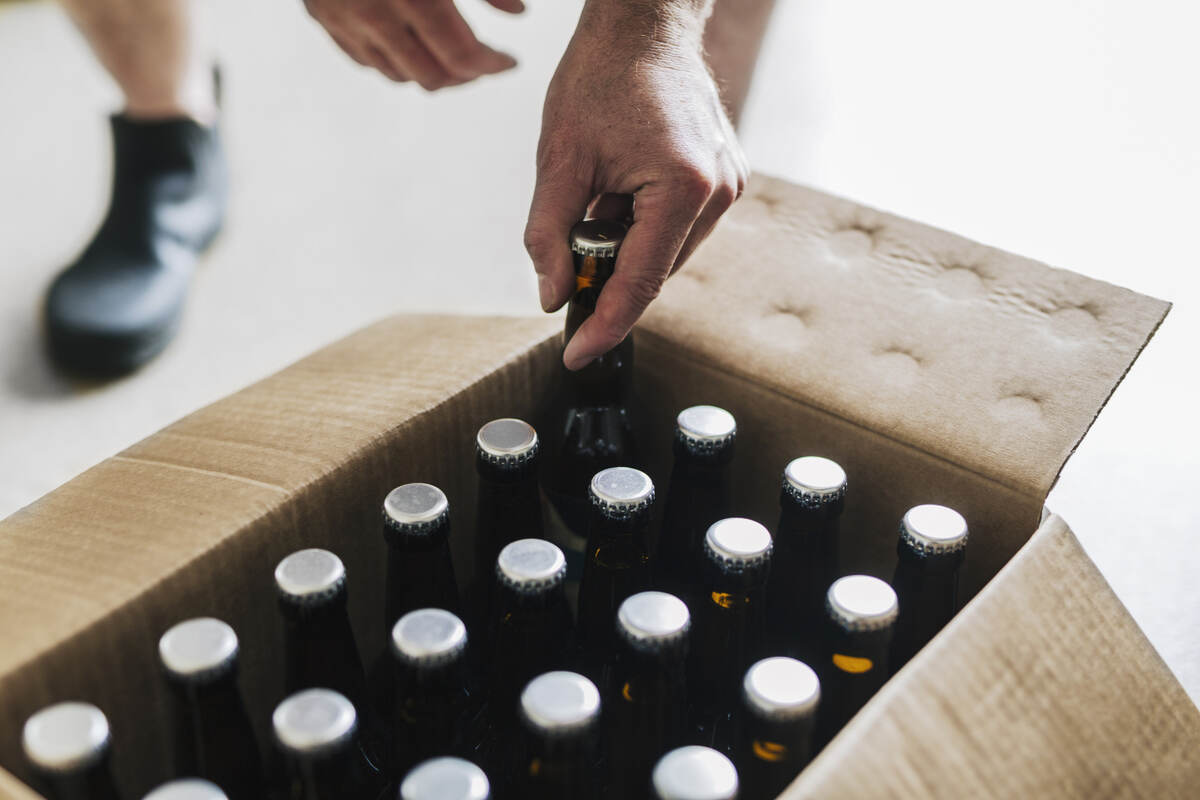
The answer to "Who can ship alcohol?" largely depends on licensing and the context of the shipment. Businesses often need both federal licensing and state licenses, and must also navigate rules regarding international alcohol shipping prohibitions if they want to send alcohol across borders.
Licensed Retailers and Producers
Businesses that hold the appropriate alcohol licenses from the adequate liquor authority (such as winery, brewery, distillery, or retail liquor licenses) are generally the ones permitted to ship alcohol. These businesses must comply with:
- Federal regulations, including TTB requirements.
- The specific shipping laws and licensing requirements of the destination state.
- The policies of the chosen shipping carrier.
Many states have specific direct-to-consumer (DTC) shipping permits that businesses must obtain before they can legally ship their products to consumers in other states. Even when shipping within their own state, licensed entities must adhere to local regulations.
Individuals Shipping Alcohol: Generally No
For individuals, shipping alcohol is almost always prohibited, as most carriers treat individual alcohol shipments as prohibited controlled substances. Private citizens typically cannot ship alcoholic beverages through common carriers like FedEx, UPS, or the USPS. The few exceptions that might exist are highly specific and usually involve industrial alcohol or very limited personal use shipments under strict conditions, often requiring special permits and adherence to carrier rules.
This includes shipments to domestic or international destinations, as most carriers treat individual alcohol shipments as prohibited Controlled Substances under International Shipping Prohibitions.
Attempting to ship alcohol as an individual without the proper licensing and authorization can lead to:
- Seizure of the shipment.
- Fines and legal penalties.
- Cancellation of shipping accounts.
- Damage to your reputation if you're a business operating under a personal account.
How to Ship Alcohol Legally: A Step-by-Step Guide
For licensed entities looking to ship alcohol, the process requires careful planning and adherence to regulations. Here's a general step-by-step guide:
Choosing a Licensed Carrier
Not all carriers handle alcohol shipments, and those that do have strict requirements. The primary carriers that allow licensed businesses to ship alcohol are:
- UPS: Requires a contract and adherence to their specific alcohol shipping policy. They allow businesses with the appropriate licenses to ship wine, beer, and spirits, provided they comply with all federal, state, and local laws and packaging instructions. An adult signature (signature of a person age 21 or older / 21+) is mandatory.
- FedEx: Similar to UPS, FedEx has specific guidelines for alcohol shipments. They permit licensed businesses to ship alcohol, again requiring strict compliance with all regulations and mandatory adult signature verification.
- USPS: The United States Postal Service generally prohibits the mailing of alcoholic beverages, distilled spirits, wine, or other intoxicating liquors. There are extremely limited exceptions, such as for industrial alcohol or specific instances of beer/wine shipment for personal use under strict conditions and licensing, but for most commercial or gift purposes, the USPS is not an option.
Before shipping, thoroughly review the carrier's specific alcohol shipping policy. These policies detail packaging requirements, documentation, permitted alcohol types, and restrictions on destinations for a clear shipping agreement.
Packaging Your Alcohol Shipment

Proper packaging is crucial to prevent breakage and leakage, and it's often mandated by carriers. A typical alcohol shipment package should include:
- Sturdy Inner Packaging: Each bottle should be securely placed in an approved, shock-absorbent insert (like molded pulp or foam) designed to hold them firmly in place and prevent contact.
- Strong Outer Box: A durable corrugated cardboard box is essential. Ensure it's appropriately sized for the contents and cushioning.
- Void Fill: Use packing peanuts, bubble wrap, or air pillows to fill any remaining empty space, preventing items from shifting during transit.
- Sealing: Securely seal the box with strong packing tape, reinforcing all seams and edges.
Some carriers may have specific requirements for packaging wine or spirits, such as using designated wine shipping boxes. Always double-check your chosen carrier's guidelines.
Documentation and Labeling Requirements
Accurate documentation and labeling are non-negotiable. Failure to comply can result in delays, fines, or rejection of the shipment.
- Shipping Labels: Use clear, accurate branded shipping labels with complete addresses and contact information for both sender and recipient.
- Carrier Declarations: You will likely need to complete specific declarations or forms provided by the carrier, stating the contents and confirming compliance with all relevant laws.
- Compliance Statements: Depending on the state and carrier, you may need to include specific compliance statements on the label or accompanying documentation, such as "Contains Alcohol. Signature of person age 21 or older required."
- Age Verification: Ensure the shipping label clearly indicates that the shipment requires an adult signature upon delivery.
Remember, the recipient must be 21 years or older, and the delivery driver will verify the recipient's age and obtain a signature. Shipments to P.O. boxes are generally not permitted.Common Pitfalls and How to Avoid Them
Shipping alcohol can be a minefield of potential errors. Here are some common pitfalls and how to steer clear of them:
- Shipping to a Dry County/State: Some areas within states are "dry," meaning they prohibit the sale or importation of alcohol. Always verify the destination's status.
- Ignoring State Reciprocity: Shipping into a state that doesn't permit out-of-state direct shipments is illegal.
- Using the Wrong Carrier: Attempting to ship alcohol via USPS or a carrier that doesn't have an approved alcohol shipping program or failing to comply with carrier restrictions will lead to rejection or confiscation.
- Improper Packaging: Breakage not only results in lost product but can also lead to significant fines and liability.
- Failing to Verify Age: All carriers require adult signatures for alcohol deliveries. Failure to ensure this process is followed correctly can have serious consequences.
- Misrepresenting Contents: Never try to disguise alcohol as something else to avoid regulations. This is illegal and carries severe penalties.
- Exceeding Quantity Limits: Some states limit the amount of alcohol an individual can receive annually. Be aware of these caps.
To avoid these pitfalls:
- Do Your Research: Thoroughly investigate the laws of the destination state and the specific policies of your chosen carrier.
- Use Specialized Software/Services: Consider using third-party compliance software or shipping partners that specialize in alcohol logistics. They can help manage state regulations, permits, and shipping processes.
- Maintain Clear Records: Keep detailed records of all shipments, including licenses, permits, and declarations.
- Stay Updated: Alcohol shipping laws and carrier policies can change. Regularly check for updates from regulatory bodies and your shipping partners.
- Insure Your Shipment: Packages of alcoholic beverages are fragile and easily damaged. Most carriers provide insurance, but rarely for the entire value of the shipment. When shipping valuable, luxury goods, even if the limits are agreeable, the insurance rates you need to pay will be very high if you wish to insure your goods for their full value. At UNIVAL, you can take out full-value insurance for high-value packages. Private insurance has higher limits, better rates, and an easier claims process for peace of mind.
Alternatives to Shipping Alcohol
If direct shipping proves too complex or is not permitted according to applicable alcohol regulations, consider these alternatives as potential shipping solutions:
- Local Delivery Services: Many areas have local delivery services that may handle alcohol within their service radius, often operating under different regulatory frameworks than national carriers.
- Gift Baskets/Kits: Instead of shipping the alcohol itself, consider shipping a gift basket that includes non-alcoholic items and perhaps a gift certificate or voucher for the recipient to purchase alcohol locally.
- Partnering with Local Retailers: If you're a producer, you might partner with licensed retailers in the recipient's area who can then handle the final sale and delivery.
- In-Person Pickup: If feasible, arrange for the recipient to pick up the alcohol directly from your licensed premises.
Disclaimer
Please note that alcohol shipping laws are complex and subject to change. This guide provides general information and should not be considered legal advice. Always consult the official TTB website, the relevant state alcoholic beverage control agency, and your chosen shipping carrier for the most current and specific regulations for any legal questions before attempting to ship alcohol. Failure to comply with all applicable laws and regulations can result in significant legal penalties.
Alcohol Shipping FAQs
Anything else on your mind?
Can I Ship Alcohol Through USPS?
Generally, no. USPS prohibits the mailing of alcoholic beverages, with very limited exceptions for industrial alcohol or beer/wine for personal use under specific conditions and licenses.
Can I Ship Alcohol via FedEx or UPS?
Yes, but with strict adherence to their specific policies and federal/state laws. Both FedEx and UPS allow licensed businesses to ship alcohol under certain conditions, requiring adult signature upon delivery.
Is It Legal to Ship Wine as a Gift?
Shipping wine as a gift is legal only if you are a licensed winery or retailer shipping to a state where such direct shipping is permitted, and the recipient is of legal drinking age. Individuals generally cannot ship alcohol as a gift.
What Are the Age Restrictions for Shipping Alcohol?
All major carriers and state laws require that the recipient of an alcohol shipment be of legal age, that is 21 years of age or older, and that an adult signature be required upon delivery.
Are There Limits on the Quantity of Alcohol I Can Ship?
Yes, limits vary by state and carrier. Many states have restrictions on the quantity of alcohol an individual or business can receive within a certain timeframe.
Latest blogs
Dimensional (DIM) Weight in Shipping: What It Is & How It’s Calculated
Wed, Jan 14th 2026, 07:11
 Continue Reading →
The Rise of Online Luxury Sales and What It Means for Jeweler
Wed, Nov 19th 2025, 02:32
Continue Reading →
Categories
default