How to Choose the Best Modes of Transportation in Logistics for Your Company

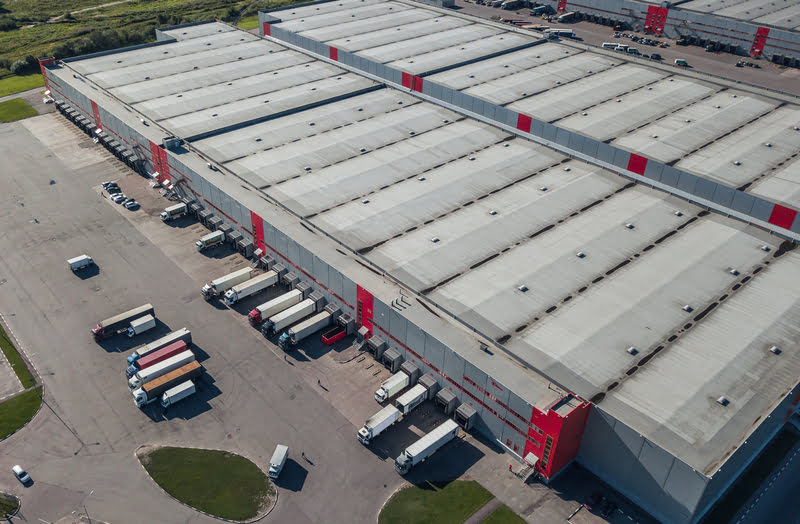
There are several major categories of modes of transportation in logistics. Each transportation method has its place in today’s global economy by offering different benefits and drawbacks.
Air freight is usually faster and more efficient than other shipping options, but it is very costly. Sea freight is cheaper than air freight, but it is much slower. Trucking is the cheapest option, but it can be risky and unreliable.
While choosing the best type of logistics transportation mode depends on many factors, including the size of the package, the location of the recipient, and the weight of the item being shipped, here are some guidelines to help you make the decision.
Each shipping service has different costs, pros and cons, and delivery times associated with them. Some are faster, some cost less, and there are even ways to save money. Let’s take a look at each method and see how they stack up.
Road transportation is one of the most valued modes of transportation in logistics because it is the only method that offers door-to-door service. That is its biggest perk against other means of transportation. Rural areas are accessible to it, places that have no railway, water, or places for plane departures.
It is cost-effective - you don’t need to invest much, and routes can be changed and adjusted. It is more flexible because it doesn’t depend on as many factors as, say, a railway. Additionally, due to the lack of loading and unloading - the packages are less prone to damage.
When it comes to short-distance transportation, the road is always a way to go. On the other hand, the biggest disadvantage is that it doesn’t work on long distances, and it is vulnerable to extreme weather conditions.
The rail transportation system is considered one of the best methods to move cargo around the country. With over 4,500 miles of track, it moves about $1 trillion worth of freight annually. This includes everything from cars and trucks to large containerships.
There are many different types of trains available today, ranging from diesel locomotives to electric locomotives, to diesel multiple units, and finally, to hybrid locomotives. Each type of train offers certain advantages and disadvantages.
For example, diesel locomotives offer greater power and speed, while electric locomotives provide less noise and pollution. However, there are some drawbacks to each type of train. Diesel locomotives run on diesel fuel, which requires regular maintenance.
Electric locomotives require electricity, which needs to be generated somewhere. Hybrid locomotives use both diesel and electric engines. They are quieter than diesel locomotives, but they still produce some noise.
There are many different ways to transport goods via marine transportation. Some methods include container ships, bulk carriers, cargo tankers, passenger vessels, and specialized vessels like tugboats and tugs. These types of vessels can carry anything from cars to heavy machinery.
The most common method of transporting items over water is by container ship. Container ships are large ocean-going vessels used to move containers. They can hold thousands of containers and travel up to 10 knots. This allows them to easily navigate around major ports and avoid delays caused by weather conditions.
Container ships are usually able to load and unload anywhere along their route, making it easy to transfer cargo quickly and efficiently. However, shipping costs vary depending on where you live. Shipping rates tend to be lower in Asia and South America because of the high trade volume there.
Another type of vessel is the bulk carrier. Bulk carriers are similar to container ships, except they are designed to carry larger amounts of material. A typical bulk carrier holds about 20,000 cubic meters of liquid or dry materials. Bulk carriers are typically slower moving than container ships, but they do offer greater flexibility. For example, they can dock wherever they want without waiting for permission.
A third option for transporting goods is cargo tankers. Cargo tankers are specially built to haul liquids such as oil, gasoline, chemicals, and even wastewater. Tanker sizes range from 300 to 2,500 tons. Most tanker routes occur within the same region, meaning there isn't too much competition. As a result, prices are relatively low.
Air transportation is convenient and safe. It is suitable for long-distance shipment. Air freight is typically used for larger items such as furniture, appliances, electronics, or machinery. This method of shipping is very popular because it is fast and efficient. However, there are some downsides to air freight.
People who operate airplanes must be much more skilled and qualified. Therefore, their services are more expensive. This is one of the most expensive but fastest modes of transportation in logistics.
Airplanes have limited capacity, and they are not suitable for bulk cargo. They also need another means of transportation to get the goods to the receiving address. However, airplanes can access some areas, such as mountains or islands, that are otherwise inaccessible
Intermodal transportation allows you to ship goods via multiple modes. For example, you could ship via truck, train, and boat. These methods are usually cheaper than air freight and allow you to keep track of your shipment throughout the process.
This form of transportation is great for businesses because it reduces costs and gives companies more control over their shipments. Intermodal transportation combines multiple modes of transportation in logistics. It is one of the best options for door-to-door shipments because it allows for faster but d2d delivery.
Pipeline transportation is usually used for oil and gas delivery, but it can transport water, beer, sewage, and other solid, liquid, or gaseous products over long distances. It is completely automated and depends on pipeline systems, which require maintenance and control.
Shipping is one of those things that you don't think about until it's too late. If you're planning on shipping something, there are specific steps you must take to ensure that everything goes smoothly. A good place to start is gathering as much information about the item as possible.
This includes knowing what size box you'll need, how heavy the contents are, and if they need any special care.
The most important thing to know is where you plan to send the package. Will you be sending it via air, land, or sea? Knowing this will help you determine what type of packaging materials you need. For example, if you're sending a large package over water, you'll probably need some sort of waterproof container.
Determine how long you want your items to arrive. If you plan to receive something within 24 hours, consider air freight. Otherwise, choose sea freight or trucking. Consider the distance and the destination. If you are sending an item across the ocean, choose sea freight. If you are shipping a product directly to another state, choose to truck.
You can also find out how much weight the package contains. If you're shipping multiple items, you might want to consider buying a scale to weigh each piece individually.
Once you've determined the weight of the package and contents, you can figure out how big the box needs to be. Most packages come in boxes ranging from 8 inches to 18 inches wide. However, larger boxes will cost more money.
Once you've figured out the dimensions of the box, you can begin thinking about the material you'll need to wrap around the box. Paper is usually used for smaller packages, while plastic is often preferred for larger ones. Some people even choose to use bubble wrap. Depending on the box size, you may need to buy several different types of wrapping paper.
If you're sending a small package by air, you'll likely need to purchase packing tape. Packing tape is designed to keep the edges of the box sealed shut. If you're sending a large box by air, you'll need to make sure that you properly seal it off. Otherwise, the contents could leak into the plane's cargo hold.
Finally, you'll need to decide whether you want to hire someone to do the actual shipping. While it's tempting to save money by doing it yourself, hiring a professional can actually end up costing less. Not only will they handle the logistics of getting the package to its destination, but they'll also provide insurance against damage or theft.
A business, especially one that offers eCommerce services, has to rely heavily on shipping. That’s why Unival Logistics works with you to create the best possible solution for your specific needs.
We work with the best in the business and create several route options for you to choose from. This will give you a sense of control over your business, and we offer shipping insurance that covers much more than other premiums.
Latest blogs
The Rise of Online Luxury Sales and What It Means for Jeweler
Wed, Nov 19th 2025, 02:32
Continue Reading →
Categories
defaultNo post data.

No querystring data.
| Query | Affected | Num. rows | Took (ms) | Actions |
|---|---|---|---|---|
| SELECT `Content`.`id`, `Content`.`slug`, `Content`.`parent_id`, `Content`.`lft`, `Content`.`rght`, `Content`.`keywords`, `Content`.`description`, `Content`.`title`, `Content`.`long_title`, `Content`.`header_bar`, `Content`.`body`, `Content`.`redirect`, `Content`.`icon`, `Content`.`created`, `Content`.`modified` FROM `unival_logistics`.`content` AS `Content` WHERE `slug` LIKE 'how-to-choose-the-best-modes-of-transportation%' LIMIT 1 | 0 | 0 | 0 | |
| SELECT `BlogPost`.`id`, `BlogPost`.`user_id`, `BlogPost`.`blog_id`, `BlogPost`.`autor_name`, `BlogPost`.`title`, `BlogPost`.`slug`, `BlogPost`.`body`, `BlogPost`.`images`, `BlogPost`.`description`, `BlogPost`.`keywords`, `BlogPost`.`active`, `BlogPost`.`deleted`, `BlogPost`.`archived`, `BlogPost`.`tags`, `BlogPost`.`created`, `BlogPost`.`modified`, `BlogPost`.`lng`, `BlogPost`.`index`, `BlogPost`.`canonical`, `BlogPost`.`blog_author_id`, `BlogPost`.`intro_image`, `BlogPost`.`title_seo`, `User`.`id`, `User`.`email`, `User`.`password`, `User`.`public_id`, `User`.`active`, `User`.`tokenhash`, `User`.`avatar`, `User`.`created`, `User`.`modified`, `User`.`secret_2fa`, `User`.`code_2fa`, `Blog`.`id`, `Blog`.`title`, `Blog`.`description`, `Blog`.`active`, `Blog`.`deleted`, `Blog`.`created`, `Blog`.`modified`, `Blog`.`lng` FROM `unival_logistics`.`blog_post` AS `BlogPost` LEFT JOIN `unival_logistics`.`users` AS `User` ON (`BlogPost`.`user_id` = `User`.`id`) LEFT JOIN `unival_logistics`.`blog` AS `Blog` ON (`BlogPost`.`blog_id` = `Blog`.`id`) WHERE `slug` LIKE 'how-to-choose-the-best-modes-of-transportation%' LIMIT 1 | 1 | 1 | 1 | |
| SELECT `BlogPost`.`id`, `BlogPost`.`user_id`, `BlogPost`.`blog_id`, `BlogPost`.`autor_name`, `BlogPost`.`title`, `BlogPost`.`slug`, `BlogPost`.`body`, `BlogPost`.`images`, `BlogPost`.`description`, `BlogPost`.`keywords`, `BlogPost`.`active`, `BlogPost`.`deleted`, `BlogPost`.`archived`, `BlogPost`.`tags`, `BlogPost`.`created`, `BlogPost`.`modified`, `BlogPost`.`lng`, `BlogPost`.`index`, `BlogPost`.`canonical`, `BlogPost`.`blog_author_id`, `BlogPost`.`intro_image`, `BlogPost`.`title_seo` FROM `unival_logistics`.`blog_post` AS `BlogPost` WHERE `active` = '1' ORDER BY `created` desc LIMIT 5 | 5 | 5 | 1 | maybe slow |
| SELECT COUNT(*) AS `count` FROM `unival_logistics`.`blog_post` AS `BlogPost` WHERE `BlogPost`.`id` = 57 | 1 | 1 | 0 | |
| SELECT `BlogPost`.`id`, `BlogPost`.`user_id`, `BlogPost`.`blog_id`, `BlogPost`.`autor_name`, `BlogPost`.`title`, `BlogPost`.`slug`, `BlogPost`.`body`, `BlogPost`.`images`, `BlogPost`.`description`, `BlogPost`.`keywords`, `BlogPost`.`active`, `BlogPost`.`deleted`, `BlogPost`.`archived`, `BlogPost`.`tags`, `BlogPost`.`created`, `BlogPost`.`modified`, `BlogPost`.`lng`, `BlogPost`.`index`, `BlogPost`.`canonical`, `BlogPost`.`blog_author_id`, `BlogPost`.`intro_image`, `BlogPost`.`title_seo`, `User`.`id`, `User`.`email`, `User`.`password`, `User`.`public_id`, `User`.`active`, `User`.`tokenhash`, `User`.`avatar`, `User`.`created`, `User`.`modified`, `User`.`secret_2fa`, `User`.`code_2fa`, `Blog`.`id`, `Blog`.`title`, `Blog`.`description`, `Blog`.`active`, `Blog`.`deleted`, `Blog`.`created`, `Blog`.`modified`, `Blog`.`lng` FROM `unival_logistics`.`blog_post` AS `BlogPost` LEFT JOIN `unival_logistics`.`users` AS `User` ON (`BlogPost`.`user_id` = `User`.`id`) LEFT JOIN `unival_logistics`.`blog` AS `Blog` ON (`BlogPost`.`blog_id` = `Blog`.`id`) WHERE `BlogPost`.`id` = 57 LIMIT 1 | 1 | 1 | 0 | |
| SELECT `BlogPost`.`slug`, `BlogPost`.`title` FROM `unival_logistics`.`blog_post` AS `BlogPost` LEFT JOIN `unival_logistics`.`users` AS `User` ON (`BlogPost`.`user_id` = `User`.`id`) LEFT JOIN `unival_logistics`.`blog` AS `Blog` ON (`BlogPost`.`blog_id` = `Blog`.`id`) WHERE `BlogPost`.`id` < 57 AND `Blog`.`id` = 1 ORDER BY `BlogPost`.`id` ASC LIMIT 1 | 1 | 1 | 0 | |
| SELECT `BlogPost`.`slug`, `BlogPost`.`title` FROM `unival_logistics`.`blog_post` AS `BlogPost` LEFT JOIN `unival_logistics`.`users` AS `User` ON (`BlogPost`.`user_id` = `User`.`id`) LEFT JOIN `unival_logistics`.`blog` AS `Blog` ON (`BlogPost`.`blog_id` = `Blog`.`id`) WHERE `BlogPost`.`id` > 57 AND `Blog`.`id` = 1 ORDER BY `BlogPost`.`id` ASC LIMIT 1 | 1 | 1 | 0 | |
| SELECT `Blog`.`id`, `Blog`.`title`, `Blog`.`description`, `Blog`.`active`, `Blog`.`deleted`, `Blog`.`created`, `Blog`.`modified`, `Blog`.`lng` FROM `unival_logistics`.`blog` AS `Blog` WHERE `Blog`.`active` = '1' | 1 | 1 | 0 | |
| SELECT `BlogPost`.`id`, `BlogPost`.`user_id`, `BlogPost`.`blog_id`, `BlogPost`.`autor_name`, `BlogPost`.`title`, `BlogPost`.`slug`, `BlogPost`.`body`, `BlogPost`.`images`, `BlogPost`.`description`, `BlogPost`.`keywords`, `BlogPost`.`active`, `BlogPost`.`deleted`, `BlogPost`.`archived`, `BlogPost`.`tags`, `BlogPost`.`created`, `BlogPost`.`modified`, `BlogPost`.`lng`, `BlogPost`.`index`, `BlogPost`.`canonical`, `BlogPost`.`blog_author_id`, `BlogPost`.`intro_image`, `BlogPost`.`title_seo` FROM `unival_logistics`.`blog_post` AS `BlogPost` WHERE `BlogPost`.`blog_id` = (1) | 93 | 93 | 2 | |
| SELECT `Setting`.`id`, `Setting`.`name`, `Setting`.`nice_name`, `Setting`.`value`, `Setting`.`order`, `Setting`.`created`, `Setting`.`modified` FROM `unival_logistics`.`setting` AS `Setting` WHERE `Setting`.`name` = 'HEADER_TOP' LIMIT 1 | 1 | 1 | 0 | |
| SELECT `Setting`.`id`, `Setting`.`name`, `Setting`.`nice_name`, `Setting`.`value`, `Setting`.`order`, `Setting`.`created`, `Setting`.`modified` FROM `unival_logistics`.`setting` AS `Setting` WHERE `Setting`.`name` = 'HEADER' LIMIT 1 | 1 | 1 | 0 | |
| SELECT `Setting`.`id`, `Setting`.`name`, `Setting`.`nice_name`, `Setting`.`value`, `Setting`.`order`, `Setting`.`created`, `Setting`.`modified` FROM `unival_logistics`.`setting` AS `Setting` WHERE `Setting`.`name` = 'FOOTER' LIMIT 1 | 1 | 1 | 0 |
Peak Memory Use 5.96 MB
| Message | Memory use |
|---|---|
| Component initialization | 1.39 MB |
| Controller action start | 1.52 MB |
| Controller render start | 3.07 MB |
| View render complete | 3.42 MB |
Total Request Time: 34 (ms)
| Message | Time in ms | Graph |
|---|---|---|
| Core Processing (Derived from $_SERVER["REQUEST_TIME"]) | 15.83 | |
| Event: Controller.initialize | 1.59 | |
| Event: Controller.startup | 0.26 | |
| Controller action | 5.69 | |
| Event: Controller.beforeRender | 0.88 | |
| » Processing toolbar data | 0.83 | |
| Rendering View | 4.64 | |
| » Event: View.beforeRender | 0.03 | |
| » Rendering APP/View/Themed/Unival1/BlogPosts/view.ctp | 0.67 | |
| » Event: View.afterRender | 0.01 | |
| » Event: View.beforeLayout | 0.01 | |
| » Rendering APP/View/Themed/Unival1/Layouts/content.ctp | 3.55 | |
| » » Rendering APP/View/Themed/Unival1/Elements/menu/menu_top.ctp | 2.24 | |
| » » Rendering APP/View/Themed/Unival1/Elements/menu/menu.ctp | 0.44 | |
| » » Rendering APP/View/Themed/Unival1/Elements/footer.ctp | 0.40 | |
| Event: View.afterLayout | 0.00 |
.105 per ton-mile. Reducing truck transport and opting for the optimal rail transload facility can help increase expense savings through rail.</p> <h2>Rail Freight and Intermodal Strategy</h2> <p>Intermodal is the use of two or more freight transporting modes. When combining rail and road, trains are utilized for the long-haul chunk of the transport. Trucks are used to ship loads from the origin to the terminal and then from the terminal to the recipient, known as drayage.</p> <p><strong>Using rail freight as part of an intermodal strategy has many benefits</strong>, which you can discover below.</p> <h2>Rail Freight Is Eco-Friendly</h2> <p>Given the current state of our environment, caring for it is imperative. From an ecological point of view, rail freight is a great transport alternative compared to air, sea, and road freight. <strong>The biggest advantage of rail freight is the reduction of CO2 emissions</strong>. Compared to other transport modes, rail freight leaves the smallest carbon footprint.</p> <p>For example, air freight consumes 138 tons of CO2, and the combination of air and sea consumes approximately 76 tons of CO2. However, rail freight consumes only 5 tons of CO2 over the same distance. That’s why, now more than ever, rail freight deserves more attention.</p> <h2>Rail Transportation Is Safe and Efficient</h2> <p>Railway safety has notably improved over the past couple of decades. Now, <strong>rail transportation is one of the safest shipping options</strong>. With steady investments in railway infrastructure, routings, tracks, terminals, and border crossing stations, there’s a significant enhancement in the performance of rail freight.</p> <p>Moreover, GPS tracking in trains prevents theft and losses, protecting the goods in transit. Since carriers can locate their customers’ shipments and follow up on milestones, they can deliver information on container position and detect if something unexpected happens during the transportation.</p> <h2>Rail Freight Is Fast and Reliable</h2> <p><strong>Rail freight is a fast and reliable shipping mode</strong> with shorter lead times when compared to sea freight. Although not always possible, there are many situations when rail freight is a more optimal choice than other transport modes.</p> <p>For instance, one of the biggest challenges for companies with production in China is the long lead times to northern Europe when shipping by sea. Sea shipping from China to that part of Europe typically takes around seven weeks.</p> <p>With rail freight, the shipping times can be cut in half, significantly reducing the lead time. Shorter lead times can make it easier to predict business operations and costs, positively impacting capital binding.</p> <p>In addition, rail freight transport is a <strong>punctual mode of transport</strong>. Compared to sea and road freight which can be subjected to bad weather and congestion, not much can hinder the rail path, reducing the risk of unexpected delays.</p> <h2>Are There any Drawbacks of Rail Transportation?</h2> <p>Intermodal containers experience a lot of movement during transit that can damage their contents. There’s a risk of a denied claim if cargo isn't appropriately blocked and braced by rail standards.</p> <h2>Rail Freight Shipping Can Be Your Optimal Choice</h2> <p>Rail shipping has many benefits and very few drawbacks. Apart from being extremely reliable, rail freight is also cost-effective. On top of that, it leaves the smallest carbon footprint compared to other shipping modes.</p> <p>With rising challenges in sustaining our environment, it’s vital to do everything we can to reduce CO2 emissions and reduce the impact of global warming. For those reasons, using rail freight as a part of intermodal strategy can be an optimal choice for many companies that wish to see improvement in our environment.</p> <p><a href="https://unival-logistics.com/">Unival Logistics</a> provides end-to-end logistic solutions and we always choose optimal routes, so that your packages arrive on time and cause the least amount of pollution. You can also take out <a href="https://unival-logistics.com/package-insurance">full-value insurance for high-value goods</a>, track your packages in real-time, and integrate your business with Unival’s API.</p> <p>If you need a logistics partner that combines traditionally effective methods of transport with modern solutions, contact Unival Logistics.</p> <script type="application/ld+json"> { "@context": "https://schema.org", "@type": "BlogPosting", "mainEntityOfPage": { "@type": "WebPage", "@id": "https://unival-logistics.com/rail-freight" }, "headline": "What You Need to Know About Rail Freight", "description": "Rail freight is reliable, fast, and green and can be an excellent choice for various businesses. Learn more about it on this page.", "image": "https://dev.unival-logistics.com/img/train-on-tracks.jpg", "author": { "@type": "Organization", "name": "Unival Logistics", "url": "https://unival-logistics.com/" }, "publisher": { "@type": "Organization", "name": "Unival Logistics", "logo": { "@type": "ImageObject", "url": "https://unival-logistics.com/theme/Unival1/images/unival-logo-new.svg" } }, "datePublished": "2022-07-01", "dateModified": "2022-12-01" } </script>
| Constant | Value |
|---|---|
| CONFIG | /home/clone/public_html/app/Config/ |
| DEFAULT_LANGUAGE | en |
| Constant | Value |
|---|---|
| APP | /home/clone/public_html/app/ |
| APP_DIR | app |
| APPLIBS | /home/clone/public_html/app/Lib/ |
| CACHE | /home/clone/public_html/app/tmp/cache/ |
| CAKE | /home/clone/public_html/lib/Cake/ |
| CAKE_CORE_INCLUDE_PATH | /home/clone/public_html/lib |
| CORE_PATH | /home/clone/public_html/lib/ |
| CAKE_VERSION | 2.10.22 |
| CSS | /home/clone/public_html/app/webroot/css/ |
| CSS_URL | css/ |
| DS | / |
| FULL_BASE_URL | https://clone.unival-logistics.com |
| IMAGES | /home/clone/public_html/app/webroot/img/ |
| IMAGES_URL | img/ |
| JS | /home/clone/public_html/app/webroot/js/ |
| JS_URL | js/ |
| LOGS | /home/clone/public_html/app/tmp/logs/ |
| ROOT | /home/clone/public_html |
| TESTS | /home/clone/public_html/app/Test/ |
| TMP | /home/clone/public_html/app/tmp/ |
| VENDORS | /home/clone/public_html/vendors/ |
| WEBROOT_DIR | webroot |
| WWW_ROOT | /home/clone/public_html/app/webroot/ |
| Environment Variable | Value |
|---|---|
| Php Version | 7.4.33 |
| Php Fcgi Max Requests | 99999 |
| Phprc | /home/clone/fcgi-bin/../etc/php7.4 |
| Pwd | /home/clone/fcgi-bin |
| Shlvl | 0 |
| Path | /usr/local/sbin:/usr/local/bin:/usr/sbin:/usr/bin:/sbin:/bin |
| Content Length | 0 |
| Http Connection | close |
| Script Name | /app/webroot/index.php |
| Request Uri | /how-to-choose-the-best-modes-of-transportation |
| Query String | |
| Request Method | GET |
| Server Protocol | HTTP/1.1 |
| Gateway Interface | CGI/1.1 |
| Redirect Url | /app/webroot/how-to-choose-the-best-modes-of-transportation |
| Remote Port | 40949 |
| Script Filename | /home/clone/public_html/app/webroot/index.php |
| Server Admin | [no address given] |
| Context Document Root | /home/clone/public_html |
| Context Prefix | |
| Request Scheme | https |
| Document Root | /home/clone/public_html |
| Remote Addr | 216.73.216.4 |
| Server Port | 443 |
| Server Addr | 51.81.35.24 |
| Server Name | clone.unival-logistics.com |
| Server Software | Apache |
| Server Signature | |
| Http Host | clone.unival-logistics.com |
| Http Accept Encoding | gzip, br, zstd, deflate |
| Http User Agent | Mozilla/5.0 AppleWebKit/537.36 (KHTML, like Gecko; compatible; ClaudeBot/1.0; +claudebot@anthropic.com) |
| Http Accept | */* |
| Ssl Tls Sni | clone.unival-logistics.com |
| Https | on |
| Db Name | clone |
| Db Pass | |
| Db User | clone |
| Script Uri | https://clone.unival-logistics.com/how-to-choose-the-best-modes-of-transportation |
| Script Url | /how-to-choose-the-best-modes-of-transportation |
| Redirect Status | 200 |
| Redirect Ssl Tls Sni | clone.unival-logistics.com |
| Redirect Https | on |
| Redirect Db Name | clone |
| Redirect Db Pass | |
| Redirect Db User | clone |
| Redirect Script Uri | https://clone.unival-logistics.com/how-to-choose-the-best-modes-of-transportation |
| Redirect Script Url | /how-to-choose-the-best-modes-of-transportation |
| Redirect Redirect Status | 200 |
| Redirect Redirect Ssl Tls Sni | clone.unival-logistics.com |
| Redirect Redirect Https | on |
| Redirect Redirect Db Name | clone |
| Redirect Redirect Db Pass | |
| Redirect Redirect Db User | clone |
| Redirect Redirect Script Uri | https://clone.unival-logistics.com/how-to-choose-the-best-modes-of-transportation |
| Redirect Redirect Script Url | /how-to-choose-the-best-modes-of-transportation |
| Fcgi Role | RESPONDER |
| Php Self | /app/webroot/index.php |
| Request Time Float | 1766398775.1336 |
| Request Time | 1766398775 |